Beyond the Desk: Why Kobe's Sports Culture Is the Secret to a Better Expat Life
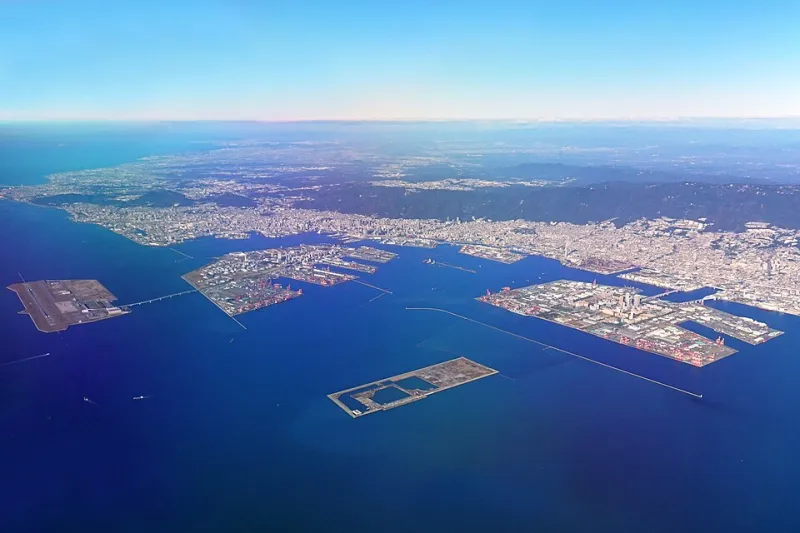
Photo: 663highland, CC BY 2.5, via Wikimedia Commons
When most Americans plan a move to Kobe, they obsess over the same three things: visa paperwork, apartment hunting in Chuo-ku, and whether their remote job will let them keep a US schedule. All valid. But almost nobody plans for the thing that actually determines whether you'll love living here or just tolerate it — your life outside of work.
And in Kobe, that life runs through sports.
Why Sports Matter More Here Than You'd Expect
Kobe is a port city of 1.5 million people, wedged dramatically between the Rokko mountains and Osaka Bay. It's walkable, hilly in all the right places, and built for movement. On any given weekend morning, you'll see runners looping Meriken Park, hikers heading up toward Mount Rokko trails, and pickup soccer games in the parks of Higashinada.
For an American expat — especially a remote worker who spends all day on Slack with colleagues in Austin or Chicago — this matters. Your coworker relationships are 7,000 miles away. Your Japanese might be at the "ordering coffee" stage. Sports are the universal language that gets you onto a team, into a gym, or up a mountain with actual humans in your new city.
The Big One: Hanshin Tigers Baseball
Let's start with the obvious. The Hanshin Tigers, based at Koshien Stadium just outside Kobe in Nishinomiya, are one of the most beloved and long-suffering franchises in all of Japanese professional baseball. Think Red Sox fandom circa 2003 — decades of heartbreak, an absolutely rabid fanbase, and traditions you won't find anywhere in MLB.
Going to a Tigers game is a masterclass in Japanese culture disguised as a fun afternoon out. Fans sing personalized chants for every player, the bento and beer vendors are legendary, and if the team wins, you might witness the famous post-game human balloon release.
For expats, Koshien is also a social shortcut. Expat meetup groups in the Kobe-Osaka area regularly organize game outings, and you don't need fluent Japanese to shout "ganbare!" with the rest of the crowd. If you're used to arguing about the Cowboys or the Yankees with strangers, this is your new equivalent.
Running and Hiking: Free Fitness With a View
Kobe might be the best mid-sized city in Japan for outdoor athletes. The harborfront promenade stretching from Meriken Park through Harborland is flat, scenic, and perfect for daily runs. The city's famous "Shin-Kobe to Nunobiki" trail system puts a waterfall and herb garden a 20-minute walk from a Shinkansen station — a sentence that still blows the mind of anyone who moved here from a US suburb.
For the more ambitious, the trails up Mount Rokko and Mount Maya offer genuine alpine hiking with panoramic views of the bay. On clear days you can see Osaka Bay stretching to the horizon. There are organized hiking groups that welcome foreigners, and the trailhead crowds skew friendly and encouraging rather than hardcore-exclusive.
If you were a member of a running club back home — or always meant to join one — Kobe is the place to finally do it.
Gyms, Bouldering, and the Indoor Scene
Not everyone wants to hike a mountain before breakfast. Kobe's indoor fitness scene has grown fast in the last decade, especially in the Sannomiya and Motomachi areas. You'll find:
- Konami Sports and Anytime Fitness locations throughout the city, with the latter offering 24-hour access that pairs perfectly with a US time zone work schedule
- Bouldering gyms that have exploded in popularity among both locals and expats — climbing is famously social and doesn't require much Japanese to participate
- Municipal sports centers that offer drop-in badminton, volleyball, and basketball at shockingly cheap hourly rates
One practical note for Americans: Japanese gyms often have stricter rules than what you're used to. Tattoos may need covering in some pools and public facilities, and the etiquette around wiping down equipment and quiet training is taken seriously. Nobody will scold you dramatically, but watching how locals operate for your first week is a smart move.
Joining a Team as a Foreigner
Here's the part that surprises most newcomers: there are English-friendly rec leagues and clubs in the Kobe-Osaka metro area for soccer, rugby, basketball, and even American football. The Kansai expat community is small enough that word-of-mouth works — ask in local Facebook groups or at international meetups in Sannomiya and you'll usually get connected within a week.
Language anxiety stops a lot of people from joining local Japanese clubs, but sports clubs are among the most forgiving environments for beginners in Japanese. The vocabulary is finite, the structure is repetitive, and effort and enthusiasm go a very long way. Half the expats who've built their strongest friendships here did it through a sports club, not a language exchange.
The Real Payoff
When we talk to Americans who've been in Kobe for a year or more, a pattern emerges: the ones who plugged into something physical — a climbing gym, a hiking group, a Tigers season ticket group chat — settled in dramatically faster than the ones who treated the city as a giant coffee shop with better weather.
Sports gave them a schedule, a community, and a reason to explore neighborhoods they'd never have visited otherwise. That's the difference between living in Kobe and merely residing in it.
So yes, sort out your visa. Negotiate your key money. Set up your US-compatible work hours. But leave room in the plan for a pair of running shoes and an open Saturday. Kobe will take care of the rest.