Key Money, Guarantors, and No-lease Fees: What Signing Your First Kobe Lease Actually Looks Like
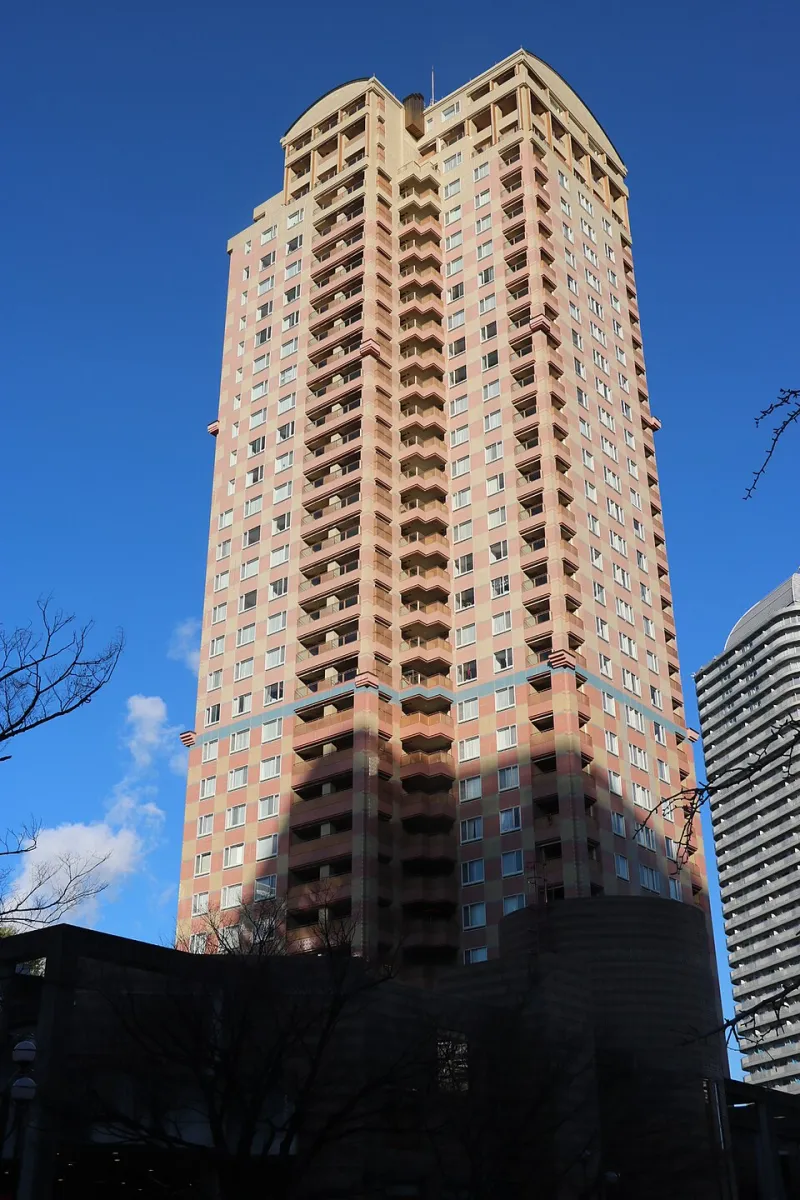
Photo: Yama0904, CC BY-SA 4.0, via Wikimedia Commons
Signing a lease in Japan is not signing a lease in Ohio. That's not a scare tactic — it's just a fact, and the sooner you understand it, the smoother your Kobe apartment hunt will go. Between key money, guarantor companies, and renewal fees that would make an American landlord blush, the process has layers. But here's the good news: Kobe is one of the most foreigner-friendly rental markets in Japan, and with the right neighborhood and the right expectations, you can go from airport to apartment keys in under two weeks.
Let's break down both halves of the equation: where to live, and how to actually get the keys.
The Five Neighborhoods Worth Your Time
Sannomiya is Kobe's beating heart and the default answer for most newcomers. You're steps from major rail lines (JR, Hankyu, Hanshin, and three subway lines), restaurants, and nightlife. The trade-off? You pay for the convenience. Expect ¥80,000–¥120,000 for a decent one-bedroom, with smaller studios starting around ¥65,000. If you want walkability and don't mind some noise, this is it.
Kitano, up the hill from Sannomiya, is Kobe's historic foreign quarter — those famous Western-style houses from the 19th century aren't just museums; the surrounding streets have a genuinely international feel. Landlords here have decades of experience with foreign tenants. Rents run a bit higher for the charm and the hill-climb workout you'll get daily.
Motomachi is the sweet spot many long-term expats land on. It's one stop from Sannomiya on the Hanshin line, has Chinatown at its doorstep, and rents are noticeably kinder — solid one-bedrooms in the ¥70,000–¥90,000 range. Chinatown means foreigner-friendly businesses and restaurants are everywhere.
Nada sits between Sannomiya and the universities, which means student-priced housing and a younger, scrappier vibe. If you're budget-conscious, you can find studios in the ¥50,000s. The sake brewery district adds serious charm, and Konan-Yamate station gets you downtown in minutes.
HAT Kobe, out east near the waterfront, is the modern master-planned option: wide sidewalks, the excellent Kobe Animal Kingdom, and newer buildings that tend to be more accommodating of overseas applicants. Families especially like the parks and international school proximity.
The Money Nobody Warns You About
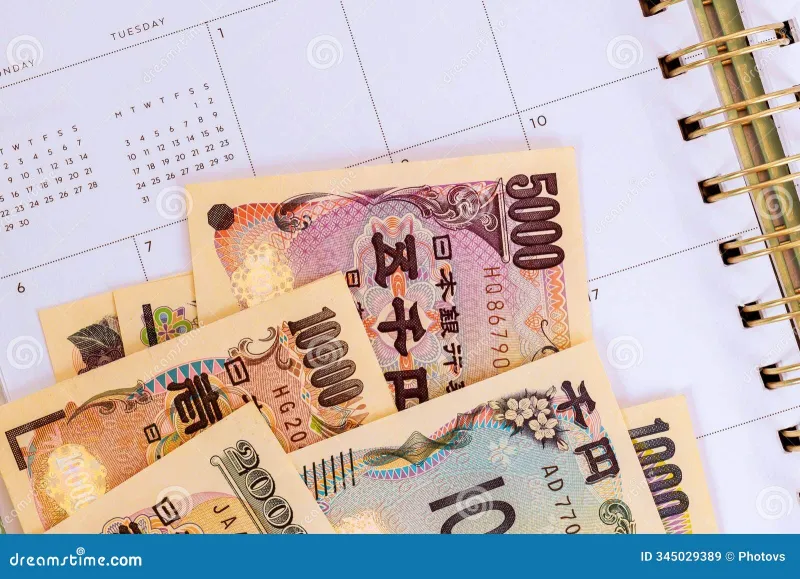
Here's where first-timers get blindsided. In the US, you pay first month's rent and a security deposit. In Japan, budget for all of the following:
- Shikikin (security deposit): Usually one to two months' rent, and yes, some of it may not come back due to "cleaning fees."
- Reikin (key money): A non-refundable gift to the landlord, typically one month's rent. Some properties waive it; many don't. It's not a bribe, it's tradition, and arguing about it won't get you far.
- Agency fee: Half to one month's rent for the real estate agent.
- Guarantor company fee: More on this below, but figure 50–100% of one month's rent upfront, plus an annual renewal fee.
- Fire insurance: Required, usually ¥15,000–¥20,000 for two years.
Realistic total move-in cost: four to six months' rent. Have it liquid before you start touring.
Guarantors: Why a Company, Not a Person
In Japan, landlords want a guarantor (hoshou-nin) — someone legally on the hook if you stop paying. Historically this meant a Japanese relative. Since you probably don't have one, nearly all foreign tenants use a guarantor company instead. These companies vet your income (generally want to see rent at 25–33% of your monthly income or less) and co-sign for a fee. If you're moving on a remote US income, expect to show employment contracts, recent pay stubs, and sometimes bank statements translated or summarized. Some companies specialize in foreign applicants — a good agent will steer you to them.
The Urinuke Question
Here's a term to memorize: urinuke, or no-lease listings. These are apartments being re-let by a departing tenant who transfers the remaining contract to you — and crucially, the outgoing tenant often covers the key money and agency fees to make the handoff attractive. For arrivals on a budget, urinuke listings can cut move-in costs dramatically. The catch: you inherit whatever condition the previous tenant left, and the process is less standardized. Use a reputable agency, and never hand over cash without a formal contract.
Dodging the Scams
The classic trap for foreigners: listings that look perfect online, a "landlord" who asks for a deposit via bank transfer before you've toured, then vanishes. Rules of thumb:
- Never pay before an in-person or live-video tour through a licensed agency.
- Legitimate agencies have physical offices and are registered with the Real Estate Transaction Association (look for the 宅建 status).
- Be wary of listings significantly below market rate for the neighborhood.
- If a "no key money!" deal demands huge upfront fees elsewhere, run the math — sometimes it's the same cost with worse terms.
A Realistic Game Plan
Week one: stay in a monthly mansion or guesthouse (plenty around Sannomiya), tour neighborhoods, and engage two or three agencies. Week two: view 8–10 units, submit applications with your documents ready (passport, visa, income proof, employment letter). Week three: sign, pay move-in costs, and schedule your utilities — gas, electricity, and internet all need separate setup appointments, so book them the day you sign.
Is it more bureaucratic than renting back home? Absolutely. But thousands of Americans have done it, the agencies around Sannomiya and Motomachi handle foreigners daily, and once you're settled with a view of the harbor and the Rokko mountains behind you, you'll forget you ever resented key money. Mostly.