The Real Price Tag on Moving to Kobe: Every Cost You Need to Factor Before You Book That Flight
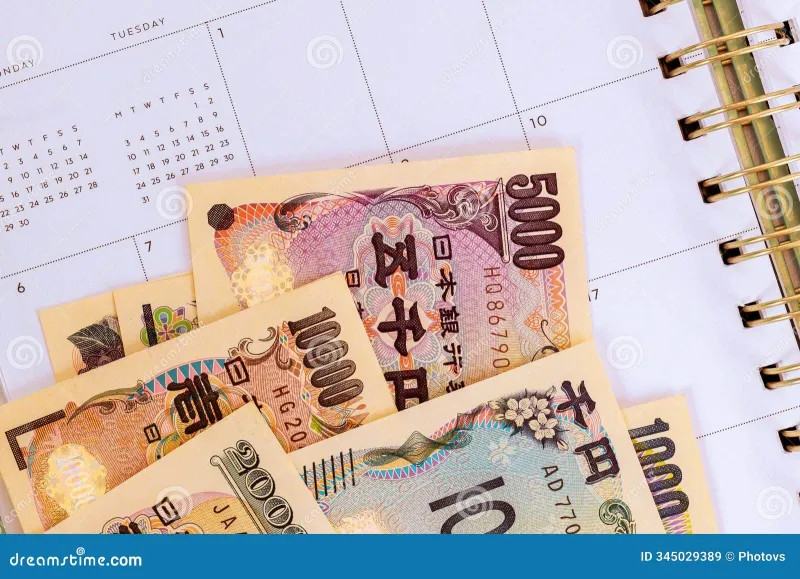
Photo: budget planning notebook with Japanese yen and US dollars on desk, via thumbs.dreamstime.com
The pitch for Kobe is compelling, and the numbers are real. Rent that would get you a closet in San Francisco gets you a comfortable apartment in a walkable Kobe neighborhood. Groceries are reasonable. Eating out is absurdly affordable by American standards. The math genuinely works in your favor—once you're established.
The part that tends to get underplayed is the gap between "decided to move" and "actually saving money."
That gap has real costs. Some are one-time. Some are ongoing. Some are invisible until they hit. If you're serious about relocating to Kobe, you need a complete financial picture—not just monthly expenses, but the full relocation equation, including the break-even point and the honest answer to whether it's worth it for your specific situation.
The Upfront Costs Most People Underestimate
Visa and Immigration Fees
For most Americans, the entry point is a tourist visa (technically a visa exemption for stays up to 90 days), followed by either a longer-term visa category—working holiday (if you're under 30), spouse visa, business manager visa, or a highly skilled professional visa—or a structured digital nomad approach that involves periodic exits.
Legal visa consultation, if you use an immigration attorney or service, typically runs $500–$2,000 depending on complexity. If you're applying for a formal long-term visa, there are application fees, document authentication costs (apostilles, certified translations), and in some cases, costs associated with establishing a business entity in Japan. Budget $1,000–$3,500 on the conservative end for visa-related expenses, more if your situation is complicated.
Shipping and Storage
You have three options: ship everything, ship some things, or start fresh. Most experienced expats recommend a hybrid approach—ship what's genuinely irreplaceable or expensive to replace (certain electronics, specific clothing, sentimental items), and sell or store the rest.
International shipping to Japan runs roughly $1,500–$5,000 depending on volume and service. A 20-cubic-foot shipment via sea freight typically lands in the $2,000–$3,000 range. Air freight is faster and significantly more expensive. Factor in a US storage unit if you're not ready to permanently part with everything: $100–$250/month for a small unit.
The Setup Cost in Kobe
Japanese apartments often come unfurnished—sometimes dramatically so. No light fixtures, no appliances beyond a stove, occasionally no curtain rods. First-time renters in Japan also frequently encounter key money (reikin), a non-refundable gift to the landlord that can equal one to two months' rent, plus a security deposit of one to two months, plus the first month's rent, plus agency fees.
For expat-friendly apartments and guesthouses—which often waive key money and have more flexible terms—upfront costs are lower, but monthly rent is typically higher. Budget $2,000–$5,000 to get yourself into a place and make it livable.
The Ongoing Costs That Surprise People
Language Learning
You can live in Kobe without speaking Japanese. Many people do. But the experience is significantly better—and certain practical tasks become dramatically easier—with functional Japanese. Quality language instruction isn't free. Apps like Italki or Preply with regular tutoring sessions run $200–$400/month at meaningful frequency. In-person group classes through language schools in Kobe run $100–$300/month. Budget this as a real line item, especially in year one.
Healthcare Navigation
Japan has national health insurance (kokumin kenkō hoken), and expats who meet residency requirements are generally required to enroll. Premiums are income-based but can run $100–$300/month. Out-of-pocket costs are generally lower than in the US, but finding English-speaking providers takes research, and certain specialists may require translation support. Budget a small buffer—$50–$100/month—for healthcare navigation costs and unexpected gaps.
Visa Runs and Travel Compliance
If you're operating on tourist visa exemptions with periodic exits, those trips cost money. A quick trip to South Korea or Taiwan to reset your 90-day clock runs $300–$700 round trip plus accommodation. Do this twice a year and you're looking at $600–$1,400 in travel costs that exist purely for compliance purposes.
The Social Investment
Building community in a new city costs money. Not a lot, but it's real: expat meetups, language exchange events, shared workspace day passes while you find your footing, the dinners and drinks that are the actual currency of friendship. Budget $100–$200/month in your first few months specifically for social investment. It's not frivolous—it's infrastructure.
The Opportunity Cost Calculation
This is the hardest number to pin down, but it's the most important one for career-focused movers.
Leaving a US city means leaving a professional network that took years to build. You lose the ambient professional contact—the conference hallway conversations, the industry happy hours, the visibility that comes from just being present. Rebuilding that remotely is possible (we'll get into the tactics in another piece), but there's a real cost to the gap period, especially in year one.
For freelancers, the pipeline disruption of a major life change can mean 2–4 months of reduced income while you stabilize. For employees, the risk is subtler—being geographically out of sight can affect promotion consideration. Quantify this for your specific situation before you go.
The Break-Even Framework
Here's a simple way to think about it:
-
Calculate your total relocation cost (visa fees + shipping + setup + first 3 months of higher-than-normal spending while settling in). A realistic range for most Americans: $8,000–$18,000.
-
Calculate your monthly savings in Kobe vs. your current US city (rent difference + cost of living difference, honest numbers).
-
Divide total relocation cost by monthly savings. That's your break-even in months.
For someone moving from a high-cost city like New York or LA, saving $2,000–$3,000/month in Kobe, the break-even on a $12,000 relocation investment is 4–6 months. For someone moving from a mid-cost city saving $800/month, it's more like 12–15 months.
Is It Worth It?
For most people who do it thoughtfully, yes—but the answer depends heavily on your timeline. If you're planning 6 months or less, the math is tight and the break-even may not arrive before you leave. If you're planning 1–2 years, the financial case is strong. If you're open to staying longer, Kobe's cost structure becomes a genuine wealth-building tool rather than just a lifestyle upgrade.
The key is going in with accurate numbers, not aspirational ones. Kobe is genuinely affordable. It's not free to get there.