How Living on 40% Less Changes Everything When the Economy Gets Ugly

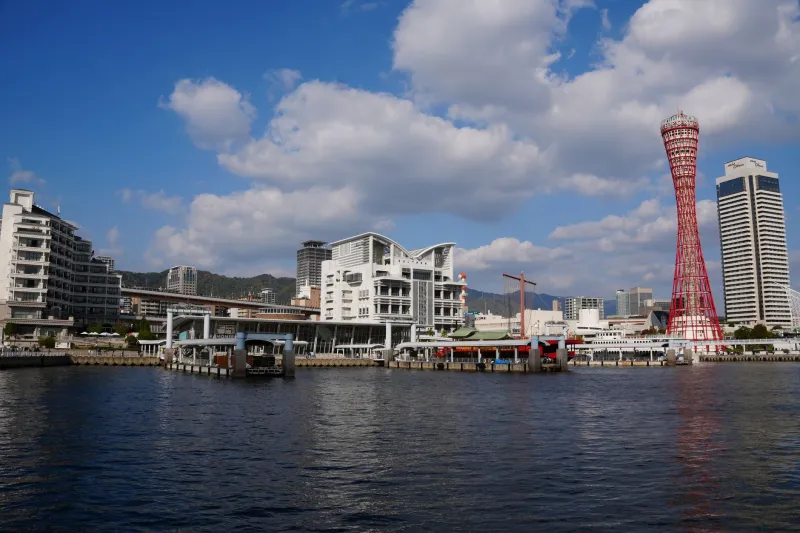
Photo: Shixart1985, CC BY 2.0, via Wikimedia Commons
Let's start with a number that feels almost fictional to anyone who's priced out a one-bedroom in Austin or Denver lately: a decent apartment in a good Kobe neighborhood — Sannomiya, Nada, even parts of Ashiya — will run you somewhere between $600 and $1,000 a month. Groceries for one person, eating well and cooking most nights, come in around $200 to $300. A monthly transit pass covers most of the city for under $60.
Add it up and a comfortable, genuinely enjoyable life in Kobe costs somewhere in the range of $1,500 to $2,200 a month, depending on your habits. For a US remote worker earning anywhere near an average American professional salary, that gap between income and expenses doesn't just make life pleasant. During a recession, it becomes something more serious: a structural defense against financial panic.
What "Runway" Actually Means When It's Real
The concept of runway — how long you can operate before you run out of money — is usually discussed in the context of startups. But it applies just as directly to freelancers, independent contractors, and anyone whose income has any variability at all.
In a US city, a remote worker earning $80,000 a year might have monthly expenses of $4,500 to $6,000 after rent, food, transportation, and healthcare. A slow quarter, a lost client, or a hiring freeze at a key employer can turn into a genuine crisis within weeks. The math is unforgiving.
In Kobe, that same worker might spend $1,800 a month. The same income now produces a monthly surplus that, if saved consistently, builds a cash buffer that can absorb months of reduced work without touching lifestyle. And if income actually drops during a rough patch — a client cuts budget, a contract ends early — the lower baseline means the runway doesn't just extend a little. It extends dramatically.
Kyle, a freelance software developer from Denver who moved to Kobe's Hyogo ward three years ago, walked through his own numbers without hesitation: "When COVID hit and two of my biggest clients went quiet for four months, I barely felt it financially. My savings covered the gap easily because I'd been building them so fast. Back in Denver, that same four months would have been terrifying."
The Psychology of Not Being Desperate
This part doesn't get discussed enough, and it matters enormously: financial desperation makes you worse at your job.
When you need every client to say yes, you negotiate badly. When you can't afford to lose a contract, you accept scope creep, unreasonable timelines, and rates that don't reflect your actual value. When the pressure of rent and bills is a constant background hum, the cognitive load it creates — what researchers sometimes call "bandwidth poverty" — degrades decision-making, creativity, and performance in measurable ways.
The inverse is also true. When your monthly nut is genuinely manageable, you negotiate from a position of calm. You can walk away from bad-fit clients. You can afford to spend time building something new rather than scrambling for the next invoice. You can take a week off without a financial crisis looming.
Several Kobe-based freelancers describe this as the most underrated benefit of the cost of living difference — not the savings themselves, but the psychological state that financial breathing room creates. "I started charging more after I moved here," says Priya, a brand designer originally from New York who's been based in Kobe for two years. "Not because I got better overnight, but because I stopped being afraid to lose clients who were lowballing me. The low cost of living gave me the nerve to hold my ground."
Honest Talk About Dollar-Yen Volatility
None of this is a free lunch, and anyone telling you otherwise is selling something. The yen-dollar exchange rate is a real variable that affects every American living in Japan, and it moves in ways that can erode the cost-of-living advantage if conditions shift unfavorably.
Over the past few years, the yen has been unusually weak against the dollar, which has made Japan extremely affordable for Americans. That's genuinely great news right now. But currency relationships don't stay static. A stronger yen — which has happened before and will happen again — compresses the gap between what you earn in dollars and what you spend in yen.
The practical implication: don't build a financial plan that depends on the exchange rate staying favorable. Build it on the structural cost difference — the fact that Japanese housing, food, transit, and healthcare are simply less expensive in absolute terms — and treat the favorable exchange rate as a bonus rather than a guarantee.
Also worth noting: if you're earning in dollars and holding significant savings in yen, currency fluctuation affects your net worth in both directions. Most financial advisors who work with expats recommend keeping savings primarily in the currency you'll eventually spend them in, which for most Americans means dollars.
Where the Protection Has Real Limits
Kobe's cost-of-living buffer is meaningful, but it's not infinite. A few scenarios where it doesn't fully protect you:
Healthcare emergencies. Japan's national health insurance system is accessible to registered residents and is generally excellent and affordable. But if you have a serious medical event that requires treatment in the US, or if you're uninsured during a transition period, the buffer can evaporate quickly.
US-denominated obligations. Student loans, US-based mortgages, car payments, or family financial commitments back home don't get cheaper because you're living in Japan. If a significant portion of your income is committed to dollar-denominated expenses, the Kobe advantage shrinks proportionally.
Extended income gaps. A few months of slow work is very manageable in Kobe. A full year of significantly reduced income is harder everywhere. The buffer buys time — real, meaningful time — but it isn't a substitute for income sustainability.
The Bigger Picture
Economic downturns are going to keep happening. The US business cycle doesn't stop because you've relocated, and the clients, employers, and markets you work with will continue to be affected by whatever the American economy is doing.
What changes in Kobe is your exposure to the consequences. The same turbulence that sends a New York-based freelancer into survival mode might give you a couple of slow months that you weather comfortably while working on something new. That's not magic — it's math. And in the context of a volatile economy, math that works in your favor is about as close to security as most independent professionals are going to find.