Stop Eating Lunch Alone: A Real Guide to Building Your Social Life in Kobe
Let's be honest about something most relocation blogs skip over: moving to Japan is exciting right up until the moment you're sitting alone in your apartment on a Saturday night, wondering where everyone went. Language exchanges are great for your Japanese, sure. Dating apps will introduce you to... someone. But neither one is how most Americans actually build friendships back home — and that disconnect can make Kobe feel lonelier than it should.
The good news? Kobe has a genuinely active expat and international community, and once you know where to look, the city opens up fast. The trick is finding the spaces where connection happens organically — around shared interests, shared meals, and shared experiences — rather than forced icebreakers and business card swaps.
Why Kobe Is Actually a Great City for Making Friends
Kobe has been an international port city since the 1860s, and that history shows. It's home to one of Japan's oldest foreign resident communities, which means locals here are generally more comfortable around non-Japanese people than you might find in less cosmopolitan cities. There's less of the wide-eyed novelty that can make socializing feel transactional in places like rural Japan or even parts of Tokyo.
The city is also compact enough that your social world doesn't fragment across five different train lines. Most of the neighborhoods where expats live — Kitano, Motomachi, Sannomiya, Nada — are close enough that people actually show up to things. That sounds small, but it's a bigger deal than you'd think.
Sports Leagues and Outdoor Clubs: The Easiest Entry Point
If you played recreational sports back in the States — ultimate frisbee, softball, soccer, running — there's almost certainly a group in Kobe that wants you. The Kobe Hash House Harriers, a running-and-social club with chapters all over the world, has an active local chapter that attracts a healthy mix of expats and international residents. Runs happen on weekends and almost always end with food and drinks somewhere. It's low-pressure, physically active, and the kind of setting where friendships develop without anyone trying too hard.
For outdoor enthusiasts, Kobe's proximity to the Rokko Mountains is genuinely underrated as a social connector. Several hiking groups operate in English, and the trailheads near Rokko Island and Arima Onsen attract a rotating cast of regulars. Show up a few weekends in a row and you'll start recognizing faces.
The city also has rugby clubs, yoga studios with English-speaking instructors, and cycling groups that organize rides along the coast toward Akashi or east toward Ashiya. These aren't expat-only bubbles — they're mixed groups where you'll meet Japanese locals who've lived abroad, international students, and longtime foreign residents who know everyone worth knowing.
Volunteering: The Underrated Friendship Hack
Volunteering doesn't sound glamorous, but it might be the most effective long-term friend-making strategy available to you in Kobe. Working alongside people toward a shared goal strips away the awkwardness that comes with purely social settings, and you'll meet both expats and locals who share your values rather than just your zip code.
Kobe has several English-friendly volunteer opportunities worth exploring. International organizations like Habitat for Humanity have operated in the Kansai region, and community cleanup and environmental groups around the Rokko area welcome volunteers without requiring fluent Japanese. The Kobe YWCA and various international schools occasionally look for English-speaking volunteers for events and programs.
After the Great Hanshin Earthquake in 1995, Kobe developed a particularly strong culture of community volunteerism. That spirit is still alive, and plugging into it connects you to a side of the city that most short-term visitors never see.
Professional Networks That Don't Feel Like Networking
If the word "networking" makes you want to fake a phone call and leave, you're not alone. But Kobe does have professional communities that function more like interest groups than resume-swapping sessions.
The American Chamber of Commerce in Japan (ACCJ) has a Kobe chapter that hosts events ranging from formal industry panels to casual happy hours. The vibe varies by event — some feel corporate, others genuinely don't. The casual evening events tend to attract younger professionals and remote workers who just want to meet people in a comfortable setting.
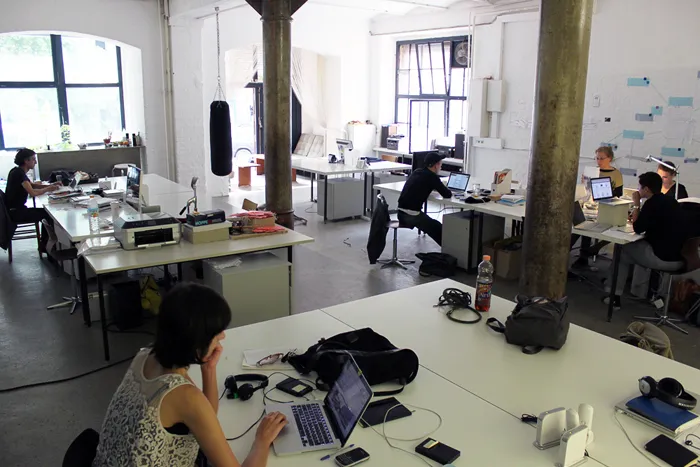
Kobe also has a growing startup and tech community centered around spaces in Sannomiya and near the waterfront. Co-working spots like those in the Kobe Santica area and around Kitano occasionally host community nights, demo days, and casual meetups that draw a diverse, internationally-minded crowd. These aren't exclusively expat events, which is exactly the point — you'll meet interesting people who happen to live and work in Kobe, full stop.
Neighborhood Life: The Social Infrastructure You're Already Standing In
One of the most overlooked social opportunities in Kobe is the one right outside your front door. Japanese neighborhoods have a community association system called chōnaikai, and while participation isn't mandatory, joining one connects you to local events — seasonal festivals, neighborhood cleanups, community gatherings — that most expats never attend.
These aren't expat events. They're local life. And that's what makes them valuable. Showing up to a neighborhood cleanup or a local summer festival (Kobe's matsuri season runs through summer and into fall) puts you in proximity to the people who actually live where you live. Some will speak English; most won't. But consistent presence builds familiarity, and familiarity is where real relationships start.
Kitano, with its historic international district and concentration of foreign residents, has a particularly active community calendar. But even in Nada or Hyogo Ward, neighborhood-level events happen regularly if you know to look for them.
The Simple Truth About Making Friends Abroad
No app or event list will do the work for you. What actually builds a social life in Kobe — or anywhere — is showing up to the same places repeatedly until you're a familiar face. Pick two or three things that genuinely interest you, commit to them for a few months, and let the relationships develop naturally.
Kobe rewards that kind of consistency. It's a city that takes a little time to open up, but once it does, the community here is warm, diverse, and genuinely welcoming to people who make the effort. The loneliest expats in Kobe are usually the ones who tried one language exchange, didn't click with anyone, and gave up. Don't be that person.