The Kobe You Won't Find on Google Maps: Creative Spaces and Real Communities Expats Actually Love
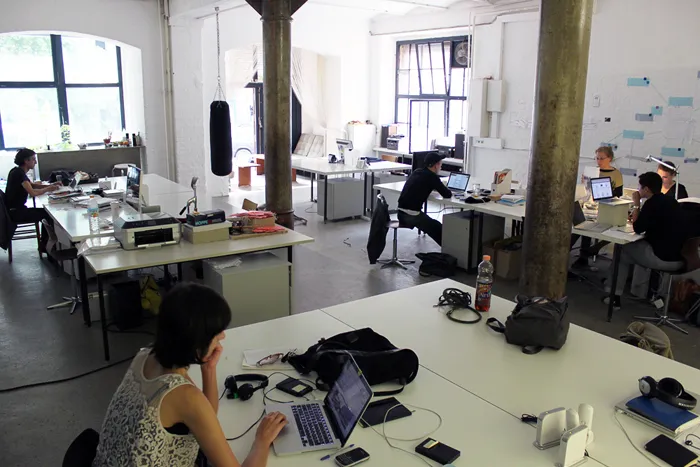
Photo: Deskmag, CC BY-SA 3.0, via Wikimedia Commons
Every city has two versions of itself. There's the one that shows up in travel guides — the landmarks, the must-try restaurants, the photo spots everyone already knows about. And then there's the city that locals and long-term residents actually inhabit: the Tuesday night pottery workshops, the underground gallery openings, the co-working space where you end up meeting your next business partner over bad vending machine coffee.
Kobe's second version is genuinely special. For a city of about 1.5 million people, it punches way above its weight when it comes to creative infrastructure and international community. The trick is knowing where to look — because almost none of it will surface in a standard Google search.
Here's what expats who've been here a while actually tell you once you've earned their trust.
The Waterfront Isn't Just for Tourists
Most visitors to Kobe do a lap around the Meriken Park waterfront, snap a photo of the Kobe Port Tower, and move on. What they miss is the creative ecosystem that's been quietly building in the surrounding blocks — particularly in the Minatogawa and Higashi-Kawasaki-cho areas, where old industrial buildings have been converted into studios, small galleries, and hybrid workshop spaces.
One of the more interesting corners of this scene is the cluster of artist-run spaces near Kobe Harborland that don't advertise much beyond Instagram and word of mouth. Several expat visual artists — Americans and Europeans who came to Japan on various pretexts and just... stayed — have set up small studios here, and they tend to be welcoming to newcomers who show genuine curiosity. Showing up to an open studio day is one of the fastest ways to get plugged into Kobe's creative network.
The vibe is collaborative rather than competitive. People share equipment, swap skills, and occasionally co-produce work. If you're a designer, illustrator, photographer, or maker of any kind, this waterfront fringe is worth exploring on foot.
Nagata: The Most Underrated Neighborhood in the City
Nagata-ku doesn't get nearly enough attention from expats, most of whom cluster in Kitano, Sannomiya, or Ashiya. That's a shame, because Nagata has a creative energy that's harder to find in the more polished parts of town.
Historically a working-class manufacturing district — famous for its shoe industry — Nagata has been slowly reinventing itself since the 1995 earthquake. A community of artists, musicians, and small-business owners has moved into the affordable storefronts and old factory spaces, creating a neighborhood that feels genuinely alive in a way that's less curated than, say, the Kitano hillside.
The music scene here is particularly worth noting. There's a loose network of rehearsal spaces and small live houses where you can hear everything from jazz to experimental electronic music on any given weekend. Expats with musical backgrounds have found easy entry points into local bands and jam sessions — language barriers matter a lot less when you're trading chord progressions.
If you're apartment hunting and open to living outside the usual expat corridors, Nagata is worth serious consideration. The rents are lower, the community is genuine, and you'll have stories nobody else at your next networking event can match.
Co-Working Culture: Beyond the Chains
Kobe has a handful of well-known co-working spaces in and around Sannomiya — the kind with sleek branding, fast Wi-Fi, and a monthly membership fee that looks reasonable until you add up the coffee you're buying to justify sitting there. Those spaces are fine. But the more interesting professional community tends to form in less obvious places.
A few spots worth knowing about:
Base Camp Kobe and similar community-oriented spaces in the Chuo-ku area occasionally host skill-share events, startup meetups, and English-language networking nights that attract a genuinely mixed crowd of Japanese entrepreneurs and foreign residents. These events are often listed only on Peatix, Meetup.com, or local Facebook groups — not on the venue websites themselves, so you have to be plugged into the community to hear about them.
Library-adjacent work culture is also a real thing here. The Kobe City Library system includes some genuinely pleasant study and work environments, and the Kitano area library in particular tends to attract a quieter, more focused crowd of remote workers who prefer a free, low-stimulation workspace.
The real networking, though, happens at the fringes: after-hours at a co-working event, at a language exchange meetup that pivots into a genuine friendship, at the neighborhood izakaya where someone introduces you to their friend who runs a design studio and is looking for a collaborator.
Language Exchange: The Social Infrastructure Nobody Talks About
For expats who want to build real connections in Kobe — not just hang out with other foreigners — language exchange meetups are one of the most effective tools available. And Kobe has a surprisingly robust scene.
These events (often organized through Meetup, HelloTalk community boards, or local Facebook groups like "Kobe Expats & Friends") typically bring together Japanese locals who want to practice English and foreign residents who want to improve their Japanese. In practice, they function as much as social mixers as language lessons, and the friendships that form in these settings tend to be more durable than those made at purely expat-facing events.
Sannomiya and Motomachi are the most common locations for these gatherings, often held in casual bars or café event spaces on weekday evenings. Showing up consistently — even just twice a month — is usually enough to start recognizing faces and building a real social circle.
Maker Spaces and DIY Culture
Kobe has a small but committed maker community that tends to cluster around electronics, woodworking, and textile crafts. FabLab Kobe and similar spaces (some operating out of shared studio arrangements rather than dedicated facilities) offer access to 3D printers, laser cutters, and other equipment alongside a community of people who actually know how to use them.
For expats with technical or craft backgrounds — engineers, product designers, hobbyists who brought their projects with them — these spaces offer both practical infrastructure and immediate social access. The maker community in Kobe skews younger and tends to be more comfortable with English than the general population, making it an easier entry point for newcomers.
How to Actually Find These Communities
A few honest tips from people who've done this:
- Join the Facebook groups first. "Kobe Expats," "Foreigners in Kobe," and neighborhood-specific groups are where a lot of event information actually circulates.
- Check Peatix regularly. It's Japan's dominant event ticketing platform and the place where most small creative events get listed.
- Go to things alone. It sounds uncomfortable, but showing up solo at a community event signals that you're genuinely looking to connect — not just tagging along with friends you already have.
- Learn a little Japanese. Even basic conversational ability opens doors that stay closed to people who rely entirely on English.
- Be patient. Kobe's expat community is warm but not always immediately visible. Give it a couple of months.
The city rewards people who dig past the surface. Once you find your people here — and you will — Kobe stops feeling like a place you're visiting and starts feeling like a place you actually live.